Ziegler
Madison, WI:
Ziegler
Madison, WI:
When You Delay Social Security Benefits, Here’s How the Math Works
In The Wall Street Journal’s Ask Encore column, rules for figuring Social Security after full retirement age, plus caps on earnings and refinancing a reverse mortgage.

The Social Security retirement age could change. What that could mean for benefits
Social Security rules may alter the age at which people are eligible for full benefits. A new congressional report examines how that would work.

The Social Security retirement age could go up. Here's why that change won't be easy
Restoring Social Security's solvency comes down to either raising taxes, cutting benefits or a combination of both. One possibility, raising the full retirement age, is another option. Here's why the idea is so controversial.
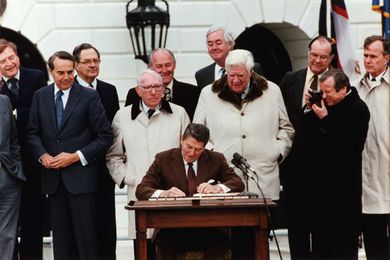
The Social Security retirement age could change. What that could mean for benefits
Social Security rules may alter the age at which people are eligible for full benefits. A new Congressional report examines how that would work.

Is Retirement Facing Extinction?
As public funding for Social Security and age-related benefits wanes, we could be looking at a world without retirement.

Why it might be better to take Social Security at age 66 instead of 70
Uncertainty about Social Security’s future makes forecasting difficult.

How Divorce and Remarriage Affect Social Security Retirement Benefits
People considering divorce as their 10-year wedding anniversary approaches should know that delaying the split until after the decade mark can result in higher Social Security retirement benefits for a spouse with a lower earning record. Taking the example of a divorced couple where the ex-husband had a higher earnings record, if the couple was married for 10 years or more, then the ex-wife can receive higher benefits based on his record, provided she is age 62 or older and has not remarried…

Don't despair about retirement
Surveys that probe Americans' readiness for retirement keep finding a growing anxiety, and there's one antidote for that

How Much You Should Have in Your 401(k), Based on Your Age?
When it comes to your 401k, it’s never too late to start saving—but how much should you save? As total savings skews higher as you get older, a look at average savings levels by age can give you a benchmark for your progress and help you adjust your contributions to stay on track.

Do we really have a retirement crisis?
It depends on how you measure a secure retirement and what you mean by crisis, but things sure aren't as they should be

More evidence that raising the Social Security retirement age is no problem for the rich, but...
Another study shows a gap in life expectancy favoring the rich, with big implications for Social Security.

How to pay for nursing home care: Retirement Scan
The odds that your clients will one day stay in an assisted living home increases 1.4% per year, starting at age 65.

How reverse mortgages can help stave off Medicare surcharges
Jan 15, 2016 @ 11:39 am By Katy Votava While we were reveling in New Year's festivities, Medicare ushered in a new income scale as the basis for Medicare high-income surcharges. The bottom line is that more of your Medicare clients will pay more for their Medicare Parts B and D in 2018. That's Medicare's way of saying Happy New Year! A recent law changed the scale that Social Security uses to determine Medicare surcharges. The new law lowers the top three modified…