Results for Nonresidential Building Operators
Displaying posts 1 - 10 of 16 in total- Type:
- Businesses
- Blogs


PITTSBURGH, PA (PRWEB) January 20, 2015Do you wish there was a safer way to transport heavy HVAC equipment to and from the roof of a nonresidential structure without assistance? Then you need th


In this day and age, with businesses going global and worldwide travel being so easy, it is becoming more and more common to see marriages occurring between a U.S. citizen/U.S. resident alien and a resident of another country. These marriages trigger significant tax consequences.

From flexibility and noise levels to controls and precision performance, the basic pitch for VRF technology is familiar by now to the industry in general. So is the concept of locating HVAC equipment on the roofs of typical nonresidential buildings. The deployment of multiple traditional VRF units on the roof may be a less familiar sight for technicians and a less familiar concept for owners and designers, but it offers its own advantages.As with any fairly new idea — in this case, not…

Usually all we talk about is architecture, interior design and similar things. But sometimes a building is more than just that. Today we’ve decided to take


Renewable energy and technological innovations are key elements of design approaches.
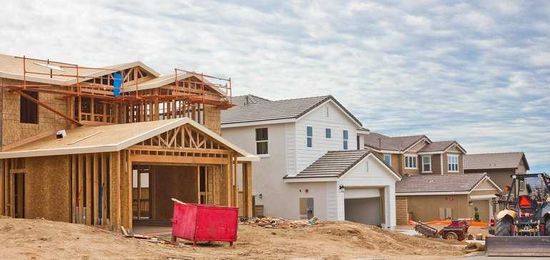
Some nonresidential firms have pivoted to homebuilding out of necessity. Others say the business is coming to them.
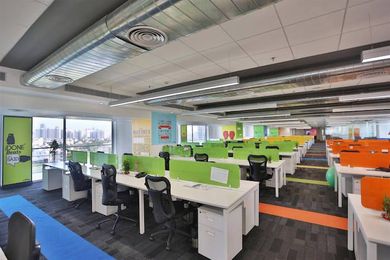
Startups are know for their work culture and their drool worthy office is a part of it which makes them luring. Who wouldn't love to work at a sexy office.
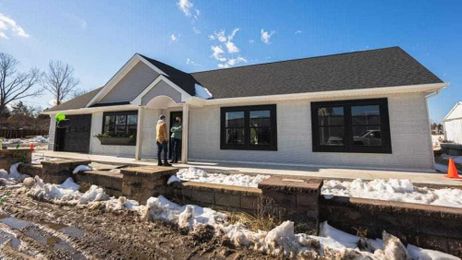
Using 3D printing to build a home may sound futuristic, but the future is now. Learn how 3D printing could help make housing more affordable.

The outlook is bright for nonresidential construction in 2016, with a number of economic and regulatory factors contributing to a favorable market environment. After years of spending cuts and budget uncertainty, state and local governments appear to be on more secure financial footing and poised to spend on construction. The Fixing America’s Surface Transportation Act was passed, authorizing more than $200 billion for highway projects and $70 billion for public-transportation-related projects.

New research showing dismal results for energy efficiency in homes highlights the need for performance-based measures.
