Results for Gasoline
Displaying posts 1 - 10 of 101 in total-
- Type:
- Businesses
- Blogs

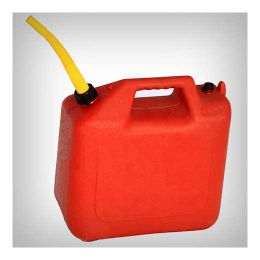
Gasoline is a substantial source of energy for many of the machines we operate. From lawn mowers to cars, if you have a house and a garage, you’ll probably have gasoline stored somewhere. Follow these tips from the American Petroleum Institute (API) to ensure you efficiently and cautiously store gasoline. For Specific Standards and Regulations …

FACT: There are fewer gas pumps today than there were 90 years ago.
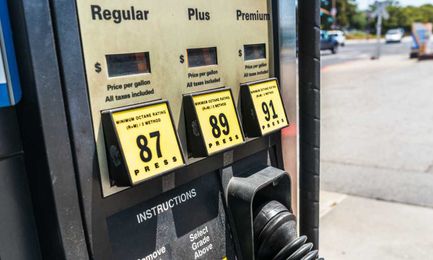
Gasoline is a big part of the climate crisis and we must demand that our elected officials achieve big, consistent cuts in gasoline usage.

Looking forward, a sustained era of low gasoline prices means it will be harder to encourage conservation or to invite alternative transportation fuels such as biofuels, electricity or natural gas into the transportation sector.

Those of you who routinely tune into the Tik Tok station on your portable cellular HAM radio-TVs may have noticed a strange video — a video of someone doing something absolutely improbable and idiotic. For that very reason, the video has been blowing up over the past couple days, racking up millions of views. The video shows a woman washing a Toyota Highlander with what looks to be gasoline from a gas pump. Maybe you are not surprised to hear that I don’t…

They burn different types of fuel, but that's just the start. Here's what you need to know when comparing diesel vs gas engines.


Higher prices for electricity and gasoline pushed up overall consumer costs in Houston during the past year, the U.S. Bureau of Labor Statistics reported.
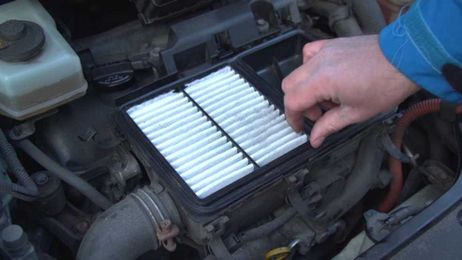
In this time of social distancing and working from home, many of us are spending a lot less time in our vehicles. Less time behind the wheel means saving money on gas and reducing stress from a daily commute, but your vehicle still needs a little TLC while it waits for a return to daily use. Consumer Reports shares some simple tips to keep your vehicle happy and healthy. Even if you have nowhere to go, you should still drive your car around…

The weather is gradually getting warmer and it is vital that you ensure that the fluid power equipment you design, operate or maintain is adequately equipped to cope with changing temperatures. Though winter weather is to blame for most adverse fluid power system failures, warmer weather has a few drawbacks. By preparing your plant and systems for
