Results for Medical Research Development
Displaying posts 1 - 10 of 101 in total-
- Type:
- Businesses
- Blogs

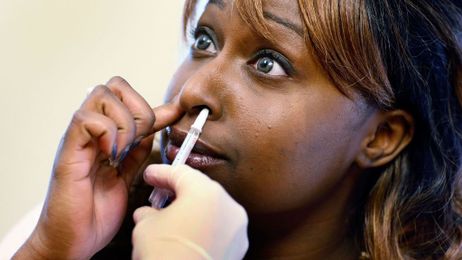
The Bayh-Dole Act let US universities own the patents on all discoveries made using federal grants, with a goal of transforming medical research.

Will the opportunity to contribute to disease-ending medical research convince more people to get their DNA sequenced?

The time is long past for a comprehensive investigation of the medical research exchange programs between the U.S. and China.
There is a cancer eating at the core of medical research. You’ve most likely heard of medical reports touting the effectiveness of a diet plan, a new drug, a supplement, or medical procedure. You may have even decided on a course of action based on these findings, only to find out later that they have […]

Sometimes studies will require that participants include only females. A variety of reasons are behind this type of selection criteria, based on what the trial is for, what phase it’s in, and what other studies may have already been completed. 1—Differences in the Sexes. In addition to the obvious physical differences between males and females, there are additional… Read More…
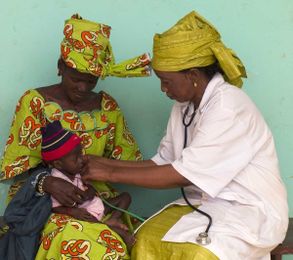
ComPAS : Testing combined protocols for the treatment of MAM/SAM, South Sudan and Kenya. Read moreComPAS Follow up : Long-term risk and benefits for children treated for moderate acute malnutrition with ready-to-use therapeutic food, Kenya. Read moreHi-MAM Study : Treatment of High-Risk Moderate Acute Malnutrition using expanded admission criteria, Sierra Leone. Read more .MANGO : Testing reduced dosage for treatment, Burkina Faso.…

One of the arguments I see used as a way of quickly disregarding published evidence, particularly those with negative results, is the idea of internal validity coming at the expense of external validity — essentially that the trial is “too controlled”, not representative of the patients actually see

I have for years been using semi-compressed felt to successfully heal wounds. I pack out the arch with 'D' pad felt often 20 or 30mm' taping down each...
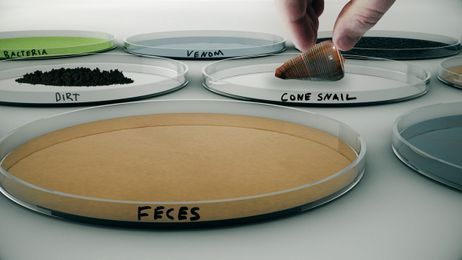
Medical researchers around the world collect all manner of odd raw material for the biopharma industry, from cannibalistic snails to reptile venom to feces.

Bodies donated to science are used to help medical students and surgical residents practice surgical procedures.
