Results for Agriculture
Displaying posts 1 - 10 of 10000 in total-
- Type:
- Businesses
- Blogs

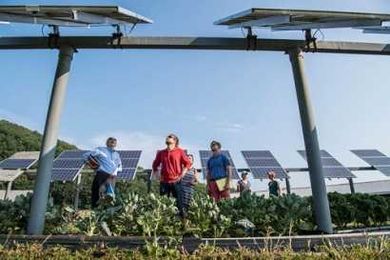
Thursday, 19 November 2020 We’ve devoted millions of acres of land to growing crops and allowing farm animals to graze. Now, that land used for agriculture can have a dual purpose — to harness the sun’s rays and provide energy. Solar power is becoming increasingly popular. Energy harvested from the sun provides homes and businesses with clean power to meet their needs. Over time, solar panels can drastically reduce costs. However, they take up quite a bit of space. Researchers have found that…

Technology can, and already does, aid agriculture in innumerable ways. One prominent part of agriculture that can use technological innovation to increase efficiency and effectiveness is irrigation.
As we face an ever-growing need to combat climate change, many people are looking toward regenerative agriculture.

Tools, technology and a changing workforce are driving changes in the agriculture landscape — changes that can to have a positive impact on the agriculture industry both in Wisconsin and
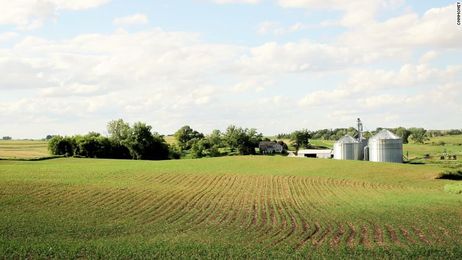
Climate Corporation aims to take the guesswork out of farming. The company offers a slate of "digital agriculture" tools that provide a real-time look at what's happening on the farm.
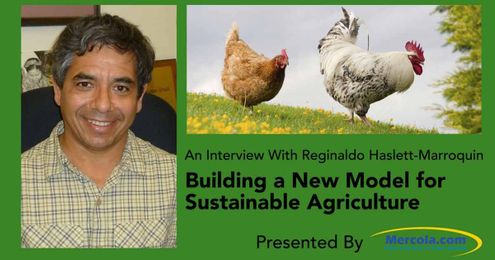
Regenerative agriculture needs to be centered around livestock in order to be optimized, and the easiest way to do that is by adding chickens.
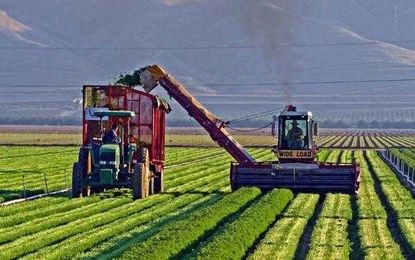
New technology is re-shaping the approach to agriculture and it can potentially deliver many benefits, including improved production. These innovations are particularly of use to low income countries.
Contrary to common myths, GMOs significantly help to reduce our environmental footprint and preserve our natural resources. Here are some of the ways GMOs are helping to make farming and agriculture more sustainable.

Regenerative agriculture is one of the best ways to help prevent global disaster, save our health, and build a sustainable economy.
Two demographic trends will have profound implications for who leads the agriculture industry into the future. One is the transition from the current generation to the next. The second, which we address in this issue of the Dispatch is the shift to more women in the management and ownership -- and by extension, leadership -- of agricultural land and businesses. Our guest columnist, Jeanne Bernick of…
