Results for Stone Cast
Displaying posts 1 - 10 of 101 in total-
- Type:
- Businesses
- Blogs


Everyone knows how to make pizza on a sheet pan or a pizza stone — but if you haven't made it in a cast-iron skillet, you're missing out.


Installing natural stone veneer on your fireplace is easy with this step-by-step guide. Completing stone veneer installation will give the whole room a makeo...

📣As we all find ways to deal with our extended time at home, our Metcalfe's team has found inspiration in cooking.❤ We will be sharing our kitchens, recipes,...

Are you making these common cast-iron skillet mistakes? We break down what not to do so your pan can last forever, including not using soap to clean it!

You can use your cast iron skillet for breakfast, too.

Gentle cleaning is key to keeping a good seasoning on your favorite cast iron. However, how do you balance getting it good and clean with being gentle? These tips show you how!
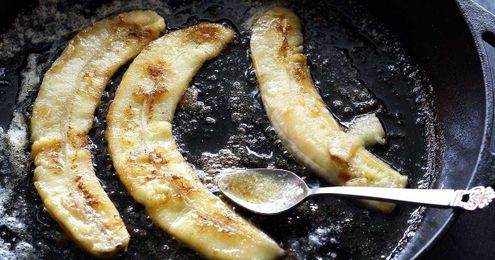
Cast iron is strange mixture of incredibly durable and unusually delicate—especially for a cooking implement. The metal is physically sturdy, but also highly reactive, which means even a droplet of water left in the pan can leave a rust spot. To protect that nice black surface, you must coat it with a thin layer of oil, a process called seasoning.
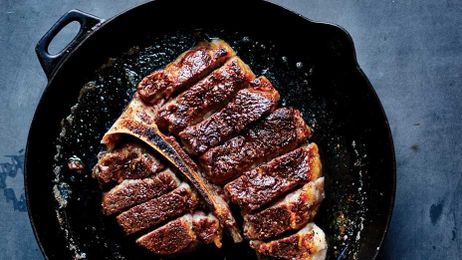
Steak is made for cast iron cooking. A bolognese? Not so much.
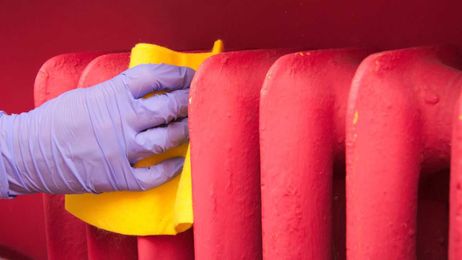
Cast iron radiators have been around since the 1860s, using steam to heat the accordion-shaped coils and keep rooms warm during the winter. A central boiler heats water, creating steam that rises through the pipes and into the radiators, and the tightly folded coils retain heat for longer, staying hot even once the boiler is turned off. But these radiators lose their efficiency when dust and grime build up on the coils, preventing the heat from pushing through. Here are some steps to…

Bonus: All the necessary tools are in your pantry.
