Results for Pet Foods Equipment Supplies
Displaying posts 1 - 10 of 101 in total- Type:
- Businesses
- Blogs
As a pet owner, you should learn to distinguish REAL natural, organic pet foods from phony "organic" pet foods that are not healthy at all.


From potently smelly additives to offal concentrates, pet food companies turn to some surprising ingredients in the quest to make kibble delicious.
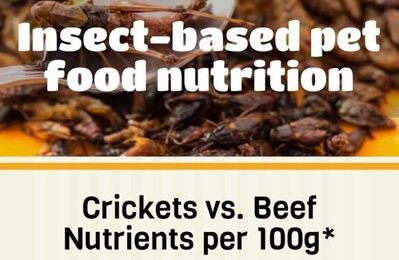
As more dog and cat treats incorporate insects, one scientist notes that further study is needed.


Many pet food, treat and supplement manufacturers are working toward reducing their carbon footprints—and they are starting by making products with sustainable ingredients such as cricket protein and kelp.
Have you ever found yourself comparing dog food labels and wishing that the information could be clear, more like human “Nutrition Facts” labels? We can assure you that we, and pretty much every other dog owner, feel the same way.
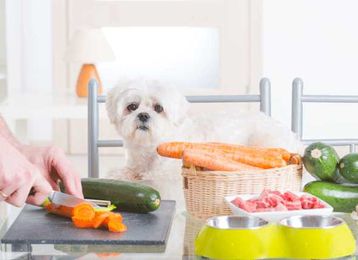
Raw food diets might be the oldest form of pet food; after all, they are very close to what ancient dogs used to eat. In the past ten years, however, more and more pet owners are switching their dogs to raw diets, for a variety of reasons.
Wild Earth is developing a vegan kibble for pets based on the Aspergillus oryzae fungus, or koji, along with pumpkin, sweet potato, buckwheat and potato flour. The fungus might provide enough protein for dogs, but cats need more protein and fats than dogs, says veterinary nutritionist Amy Farcas, and the company is developing a lab-grown, mouse-based cat food.

The quality of commercial pet foods has risen as research has yielded new insights into veterinary nutrition, but Tufts University professor and veterinary nutritionist Lisa Freeman has recently seen "more cases of nutritional deficiencies due to people feeding unconventional diets, such as unbalanced home-prepared diets, raw diets, vegetarian diets and boutique commercial pet foods," and veterinary cardiologists suspect such diets may explain an uptick in cases of dilated cardiomyopathy.
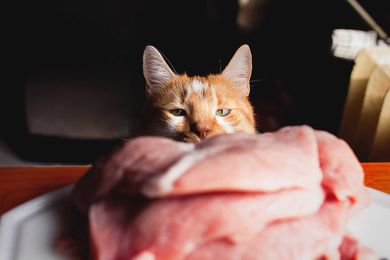
A "raw" diet for pets carries risks of exposure to parasites and bacteria.
