Results for Fiber Optics
Displaying posts 1 - 10 of 415 in total-
- Type:
- Businesses
- Blogs
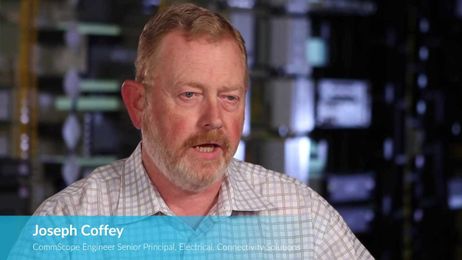

Joseph Coffey, Commscope Engineer, Senior Principal, Electrical, talks about how fiber optics have changed communications.
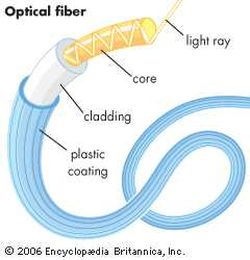
Fiber optics, the science of transmitting data, voice, and images by the passage of light through thin, transparent fibers. In telecommunications, fiber optic technology is used to link computers within local area networks. Fiber optics is also the basis of the fiberscopes used in examining internal parts of the body.
We are Fiber Optic Experts. If you need an OTDR, Fiber Optic Training or any thing else to do with Fiber Optics, count on FIS.
Technologies such as cloud computing and big data have made once luxurious computing speeds commonplace. Central computing offers scalable solutions to companies, universities, individuals and others who are offloading computationally intensive tasks (data mining and artificial intelligence in particular) to…

A breakthrough in fiber-optics technology could result in the tech doubling its transmission capabilities. While it is already hailed as an extremely fast way to transmit data, it is now set to get even faster.
Looking to expand its presence in Asia, Corning Inc. plans acquire Samsung Electronics Co.’s fiber optics business early next year. The dea
Fiber optics increased the speed and quantity of information that can be transmitted through the Internet by transforming electrical signals into pulsating light. The same can be done within laptops and other devices by using organic materials containing chromophore as an active compound, according to a materials chemist. Components made from this organic material can provide a larger bandwidth and draw less power.
In the defense industry, one application of fiber lasers is for sensor systems along the shore line.
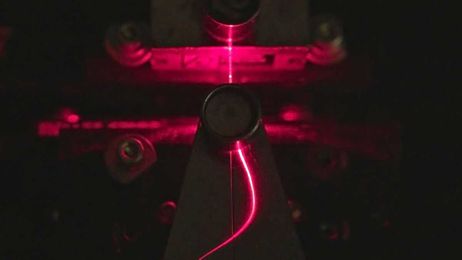
Given how quickly technology advances and becomes outdated, there’s a good reason to develop electronics from materials that will break down and biodegrade when discarded, instead of filling up landfills for centuries. So researchers in Finland found a way to make functional fiber optics from wood-based fibers, that, when disposed of, will break down all on its own.
Fiber optic cables and connectors are designed and qualified for use in mines by validating the mechanical strength required to install and operate the cable in an underground environment.
